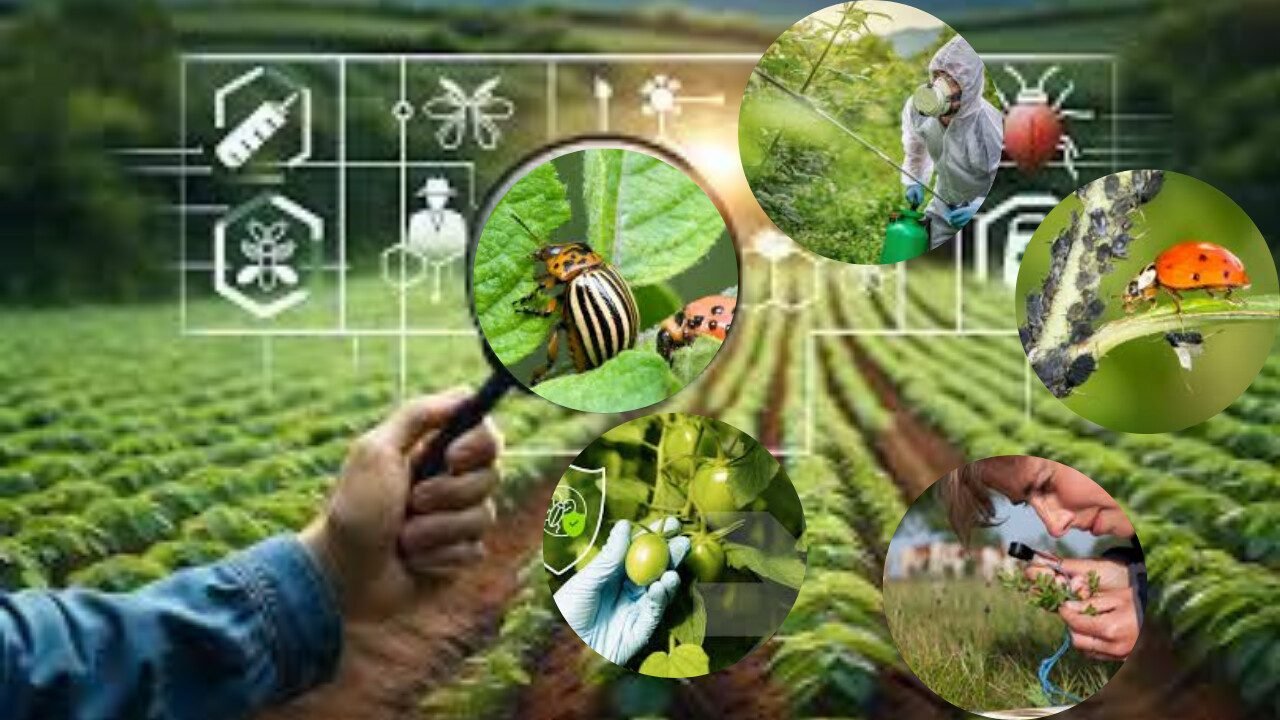
Integrated Pest Management (IPM) represents a practical and environmentally conscious strategy for managing pests, utilizing a blend of sensible practices. IPM initiatives draw upon up-to-date, thorough knowledge regarding the life cycles of pests and their relationships with the environment. This knowledge, when combined with existing pest control techniques, is employed to mitigate pest damage in the most cost-effective manner, while minimizing risks to individuals, property, and the environment.
Integrated Pest Management (IPM) is a dynamic methodology that employs an ecological systems perspective, urging users or producers to evaluate and utilize the comprehensive array of optimal pest control strategies available, taking into account economic, environmental, and social factors. IPM is grounded in ecological principles, the understanding of ecosystems, and aims to maintain ecosystem functions. It fosters the development of robust crops while minimizing disturbances to agro-ecosystems and promotes natural pest control processes.
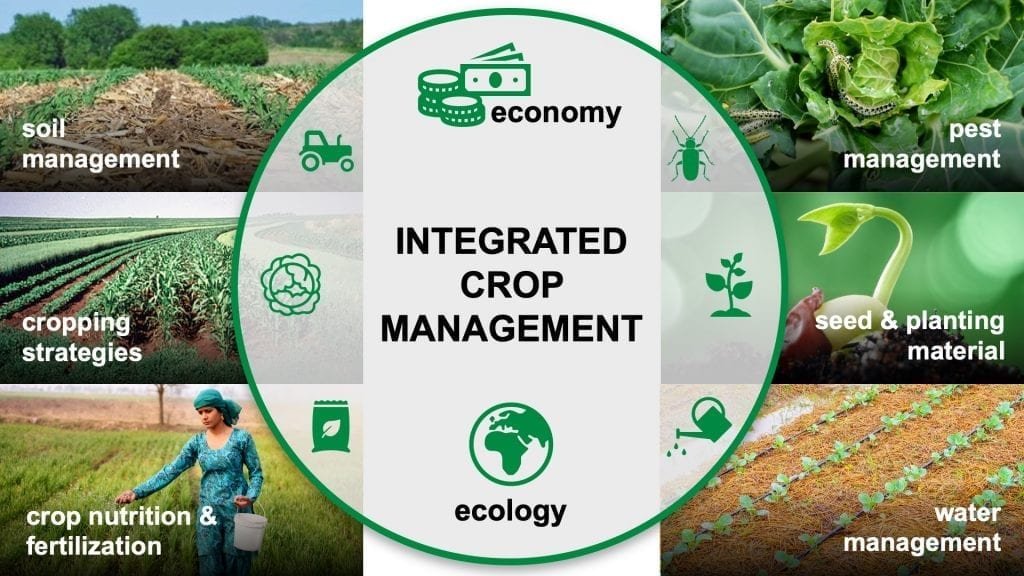
The IPM strategy is applicable in both agricultural and non-agricultural environments, including homes, gardens, and workplaces. IPM leverages all suitable pest management techniques, which encompass, but are not limited to, the careful application of pesticides. Conversely, organic food production incorporates many of the same principles as IPM but restricts pesticide use to those derived from natural sources rather than synthetic chemicals.
Objectives of IPM approach
The primary aims of the Integrated Pest Management (IPM) strategy are to sustainably control pests, diseases, and weeds while minimizing dependence on chemical pesticides. Essential objectives encompass safeguarding human health and the environment, promoting biodiversity, lowering production expenses, and averting pesticide resistance by employing a mix of biological, cultural, and physical techniques.
The Core Objectives of IPM are:
Reduce Chemical Dependence: Limit the application of chemical pesticides by considering them a last resort, and instead, utilize safer alternative methods.
Environmental & Human Safety: Decrease environmental pollution and mitigate risks to human health, pollinators, and non-target species.
Sustainable Crop Management: Ensure high-quality, high-yield, and economically viable agricultural production.
Manage Pest Resistance: Avert or postpone the emergence of pesticide resistance in pests by varying control strategies.
Biodiversity & Ecosystem Health: Promote beneficial natural pest control processes and improve ecosystem biodiversity.
Long-term Prevention: Emphasize the long-term prevention of pest infestations through proactive monitoring and cultural practices.
The significance of Integrated Pest Management (IPM) in sustainable agriculture
- Implements sustainable pest management strategies. IPM leverages ecosystem services such as pest predation while safeguarding others, including pollination. Additionally, it enhances farm productivity and food availability by minimizing both pre- and post-harvest crop losses.
- Decreases pesticide residues. IPM plays a vital role in ensuring food and water safety, as the reduction in pesticide application leads to lower residues in food, feed, fiber, and the environment.
- Improves ecosystem services. IPM aims to sustain the balance of the national crop ecosystem. It preserves the essential natural resource foundation (such as soil, water, and biodiversity) and enhances ecosystem services (including pollination, healthy soils, and species diversity).
- Boosts income levels. IPM lowers production expenses by decreasing pesticide usage. Higher quality crops, which contain fewer residues, can achieve better market prices, thereby increasing farmer profitability.
- Enhances farmer knowledge. IPM fosters farmer stewardship and enriches their understanding of ecosystem dynamics tailored to their specific local context.
Four-tiered approach of IPM
Integrated Pest Management (IPM) is not merely a singular method for pest control; instead, it encompasses a comprehensive series of evaluations, decisions, and controls related to pest management. When implementing IPM, growers who recognize the potential for pest infestations adhere to a four-tiered strategy. The four steps are as follows:
- Establish Action Thresholds
Prior to initiating any pest control measures, IPM first establishes an action threshold, which is a specific point at which pest populations or environmental conditions suggest that pest control measures must be enacted. The mere sighting of a single pest does not necessarily indicate that control is required. Determining the level at which pests pose an economic threat is essential for guiding subsequent pest control decisions.
- Monitor and Identify Pests
Not every insect, weed, or other living organism necessitates control. Numerous organisms are harmless, and some even provide benefits. IPM programs focus on monitoring for pests and accurately identifying them, enabling appropriate control decisions to be made in conjunction with established action thresholds. This process of monitoring and identification mitigates the risk of applying pesticides unnecessarily or using the incorrect type of pesticide.
- Prevention
As the primary strategy for pest control, IPM programs aim to manage the crop, lawn, or indoor environment to avert pests from becoming a threat. In agricultural settings, this may involve employing cultural practices, such as rotating crops, selecting pest-resistant varieties, and utilizing pest-free rootstock. These control strategies can be highly effective, cost-efficient, and pose minimal to no risk to human health or the environment.
- Control
Once monitoring, identification, and action thresholds indicate that pest control is necessary, and preventive measures are no longer effective or feasible, IPM programs then assess the appropriate control methods based on their effectiveness and associated risks. The first choice is to implement effective, lower-risk pest control options, which may include highly targeted chemicals, such as pheromones to disrupt pest mating, or mechanical methods, such as trapping or weeding. If additional monitoring and identification are required,
How do IPM programs work?
Integrated pest management programs consist of several stages. These include evaluations, decisions, and controls related to pest management. Typically, growers utilize a five-step method when implementing integrated pest management.
The five steps include:
- Pest identification
- Setting an action threshold
- Monitoring
- Prevention
- Control
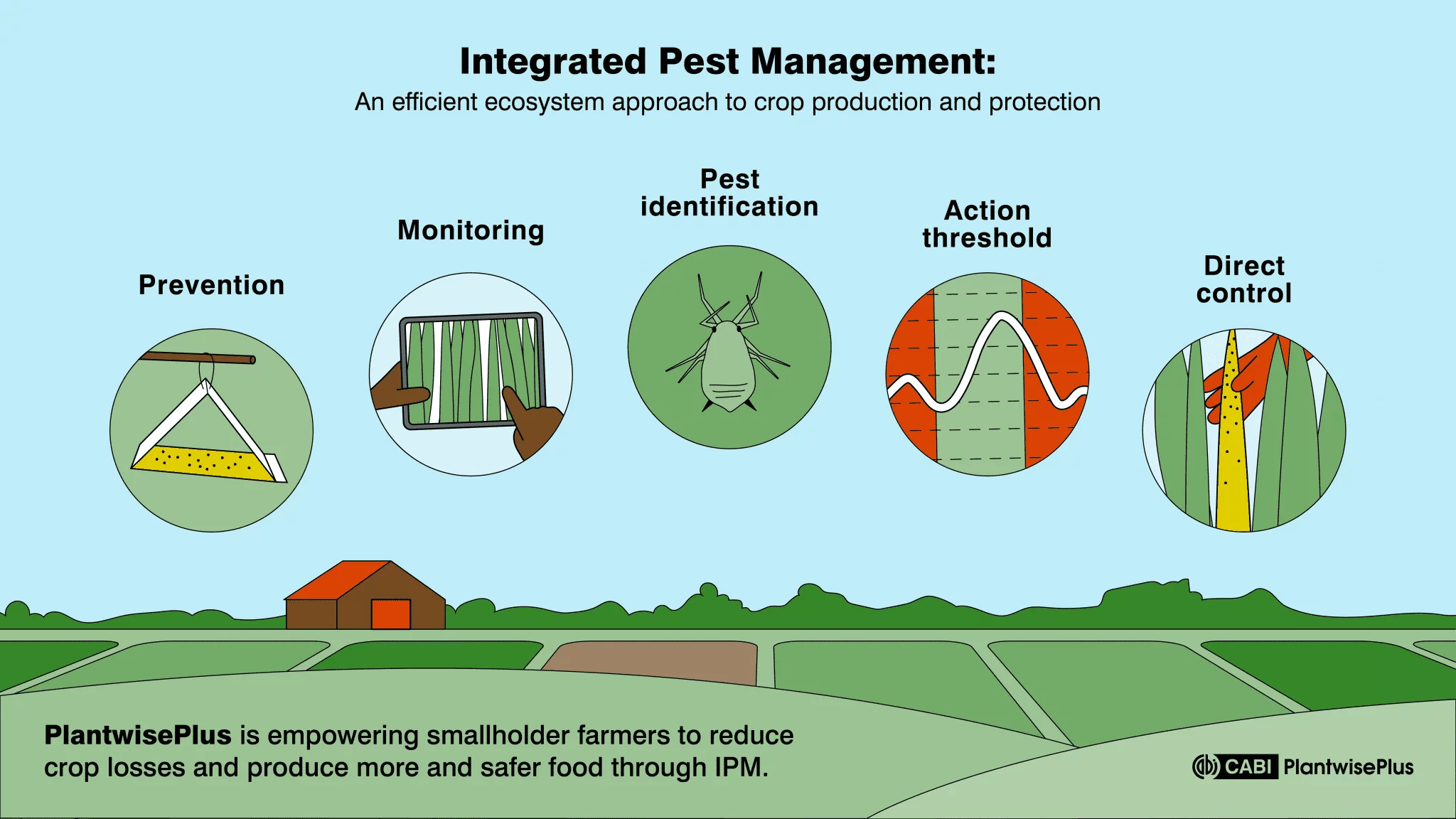
Fig: How IPM works?, Credit: CABI
- Pest Identification
Correctly identifying the pest is crucial for making informed decisions and implementing targeted measures. This step is vital for evaluating whether the pest is likely to pose a problem and for selecting the appropriate management strategies.
Misidentification or insufficient information regarding the pest typically results in the adoption of ineffective measures, which consequently leads to failure in pest control. When identifying a weed, insect, or plant disease, it is preferable to have a sample of the pest. This ensures accurate identification. You may also seek the expertise of extension workers. At times, the pest may not be visible, necessitating the search for symptoms instead. One valuable resource for pest identification is the Plantwise Diagnostic Field Guide. This tool aids in diagnosing crop issues and provides recommendations for their management. Identifying the pest also involves gaining knowledge about the pest’s life cycle and biology. This understanding will assist in selecting the most effective control strategy.
- Establishing an action threshold
Setting an action threshold is a crucial component of Integrated Pest Management (IPM). An action threshold refers to the specific point at which interventions should be initiated to manage pest populations. It serves as a guideline that signals when pest numbers reach a level (i.e., the quantity of pests per unit area) that necessitates action to prevent or reduce pest-related damage. To determine action thresholds for your IPM approach, it is beneficial to consider the following questions: s there an economic risk and what are the costs associated with taking action? If the pest threshold is not surpassed, the grower is not required to implement any measures. The expense of control should be less than or equal to the projected losses incurred by the pests if they are allowed to persist. What are the health and safety risks involved? When a pest presents a danger to human health or safety, the grower should lower the action threshold. For instance, if the grower discovers pests in grain and flour intended for human consumption. Is there a risk of visual damage? Any damage affecting the appearance of a product can lead to significant concerns. Products that are damaged are often challenging to market. The establishment of action thresholds should rely on consistent crop monitoring, which leads us to the third phase of IPM.
3. Monitoring and Decision making
Scouting and sampling techniques are essential elements of the monitoring and decision-making processes within Integrated Pest Management (IPM) programs. In addition to these sampling designs, a variety of tools and methods are utilized to observe pest populations and their detrimental effects on crop plants, including visual inspections, the use of sweep nets, sticky traps, pheromone traps, and remote sensing technologies. Remote sensing methods, such as aerial photography, satellite imagery, and unmanned aerial vehicles (UAVs), are increasingly employed to assess crop health and identify pest outbreaks across extensive spatial areas. The combination of various monitoring tools and techniques, along with suitable sampling designs, enables IPM practitioners to make informed, data-driven decisions regarding the necessity and timing of pest management interventions. Recently, advancements in artificial intelligence (AI) for identification and decision-making have been incorporated into IPM: Batz et al. outlined several ways in which AI can enhance aphid pest forecasting: 1) insect identification based on image recognition and Deep Learning, 2) forecasting models utilizing Machine Learning and neural networks, and 3) optimizing monitoring infrastructure to enhance predictive models. Ali et al. described an AI-enabled IoT-based pest detection method that employs pest sound analytics across large agricultural areas, and among the four models discussed in their study, the CNN-Bi-LSTM model achieved an accuracy of 98.91%. Nevertheless, while the application of AI has become more prevalent not only in IPM but also throughout the entire agricultural sector, several challenges still hinder the effectiveness of AI decision support systems: the efficacy of AI technology, its functionality under field conditions, the level of computational expertise and power needed to operate the system, and the mobility of the system. Economic injury levels (EILs) and action thresholds (ATs) are critical instruments in the decision-making process of IPM. They assist farmers and pest management professionals in determining the appropriate actions to take.
4. Prevention
The prevention aspect of Integrated Pest Management (IPM) serves as the essential, proactive method for controlling pests by eliminating their sources of food, water, and shelter, instead of merely responding with chemical treatments.
Crucial strategies encompass the implementation of cultural practices such as crop rotation and sanitation, the cultivation of pest-resistant plant varieties, the upkeep of environmental cleanliness, and the installation of physical barriers.
Preventive measures encompass the following actions:
- Meticulously chosen crop locations
- Selection of suitable varieties
- Strategic planting and rotation of crops
- Utilization of preventive biopesticides
- Mechanical, physical, and cultural methods for crop protection
- Management of water resources
- Enhancement of plant nutrition
- Safeguarding natural habitats adjacent to agricultural land
5. Control
Once monitoring, identification, and action thresholds suggest that pest control is necessary, and preventive measures are either ineffective or unavailable, IPM programs assess the appropriate control method based on both effectiveness and risk. Initially, effective and lower-risk pest control options are selected, which may include highly targeted chemicals like pheromones to disrupt pest mating, or mechanical methods such as trapping or weeding. Should further monitoring, identifications, and action thresholds reveal that these lower-risk controls are ineffective, additional pest control strategies may be implemented, including targeted pesticide spraying. The use of broadcast spraying of non-specific pesticides is considered a last resort.
Biological Control
In the natural world, populations of organisms frequently endure assaults and experience elevated mortality rates due to predators, parasites, parasitoids, and diseases, which are collectively referred to as “natural enemies.” Biological control strategies employ these natural enemies or agents (often termed as “beneficials” by some practitioners) to regulate pest populations. The primary objective of biological control is to diminish pest populations and the associated damage, either without the use of pesticides or with a reduced application of them. The utilization of natural enemies varies based on the specific pest being targeted, the host, environmental conditions, and the life cycle of the pest. There are three overarching methods of biological control.
Chemical Control
Chemical control within Integrated Pest Management (IPM) involves the careful application of pesticides as a final measure, utilized only when monitoring reveals that pest populations surpass economic thresholds and alternative methods have proven ineffective. This approach emphasizes the use of targeted, selective chemicals rather than broad-spectrum pesticides to reduce impacts on the environment, human health, and non-target organisms.
Key principles of chemical control in IPM consist of:
Selective Application: Employing narrow-range insecticides to limit damage to beneficial insects and natural predators.
Spot Treatments: Administering chemicals solely to affected areas instead of conducting full-field, broadcast spraying.
Rotation: Alternating between pesticide classes with varying modes of action to avert the emergence of resistance in pest populations.
Targeted Timing: Applying chemicals during the most susceptible phase of the pest’s life cycle, often informed by scouting and economic thresholds.
Reduced-Risk Materials: Implementing biopesticides, microbial agents (such as Bacillus thuringiensis), insect growth regulators (IGRs), and pheromones for disrupting mating.
Elements/Components of IPM
- Integrated Pest Management (IPM) refers to the systematic application of pest and environmental data to formulate and execute pest control strategies that are economically viable, environmentally sustainable, and socially responsible. IPM emphasizes proactive measures over reactive ones and supports the combination of various control methods to attain enduring pest management solutions.
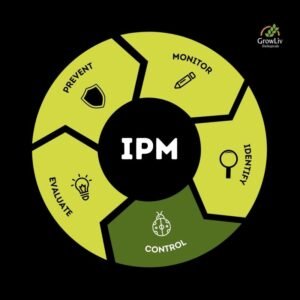
- IPM involves the collection of information, data analysis, the development of a flexible management strategy, timely decision-making, and the execution of appropriate actions. Techniques for information gathering and decision-making encompass: precise pest identification, understanding the vulnerabilities in a pest’s life cycle or biology, scouting and monitoring crops in both fields and greenhouses, employing action thresholds to reduce pesticide application, and maintaining records of observations to evaluate the success of management strategies.
- • Precise pest identification is an essential initial step towards finding a solution. Incorrect pest identification frequently leads to failures in pest control and subsequent crop damage. For assistance with identification, please bring a pest and/or plant sample to one of the diagnostic clinics listed below:
- • Understanding the biology and life cycle of a pest often provides critical insights for effective control strategies. Comprehensive, pest-specific information can be found in fact sheets on this and other IPM websites (refer to links) or in crop-specific publications and manuals.
- • Scouting entails employing systematic approaches to regularly inspect crops to assess pest populations or the extent of crop injury/damage. Scouting methods can vary significantly based on the type of pests (weeds, insects, diseases, etc.) involved. Further details are available in pest and crop-specific IPM fact sheets and manuals.
- • Monitoring climatic conditions or trapping pests can be utilized to evaluate or forecast current or potential pest issues, thereby aiding in the prevention of crop damage. The equipment and procedures differ by pest (for further details, please refer to the aforementioned references).
- Action thresholds are typically defined as a specific number for individual pests (for example, 7 moths or 2 weeds per foot of row) or for crop damage (such as 20% defoliation), or as a rating for weather conditions (15 Disease Severity Units). These thresholds indicate the appropriate time to manage the pest(s) in order to avert or reduce economic harm to crops. Certain thresholds are specified for pests in the individual crop sections of the New England Vegetable Management Guide, while others differ by state or region and can be found in local or regional Extension publications. It is advisable to reach out to your state’s Extension IPM personnel for pertinent local action thresholds.
- Effective record-keeping entails documenting information regarding weather, pest populations, crop conditions, and control measures throughout the entire season. Maintaining accurate records is essential for assessing the effectiveness of pest control strategies and identifying areas for future enhancement.
In conjunction with information collection and decision-making strategies, a range of preventive and remedial control methods are employed to develop a comprehensive Integrated Pest Management (IPM) plan tailored for each pest, crop, and farm. Cultural, mechanical, physical, genetic, and biological controls are instrumental in averting significant pest issues, while pesticides are utilized when further control measures become necessary.
- Cultural controls involve alterations to crop production systems that reduce pest populations and their occurrence. Examples include improved site selection, crop rotation, adjustments to planting schedules or plant spacing, enhanced water and nutrient management to promote crop health or minimize weed competition, breaking up plow pans, sanitizing soil from equipment between fields, and employing cover and smother crops.
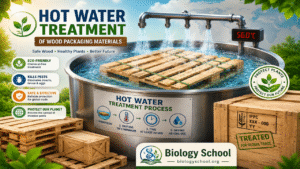
- • Mechanical and physical controls entail the use of tools, equipment, or environmental factors such as temperature, humidity, or light to disrupt pest life cycles and/or diminish populations. These controls operate by cutting, crushing, burying, or excluding pests through implements and barriers, or by manipulating temperature, moisture, or light conditions. Examples include hot-water-treated seeds, plowing, cultivation, flaming, plastic or organic mulches, row covers, greenhouse ventilation, washing, cold storage, and removing infected plants.
- • Genetic controls are achieved through radiation, traditional breeding techniques, and biotechnology to alter the genetic composition of crops or pests. Examples include varieties resistant to diseases, insects, and nematodes, varieties tolerant to physiological disorders, herbicide-resistant crops, and programs aimed at sterilizing insects.
- Biological control involves the use of naturally occurring or introduced beneficial organisms to manage or suppress pest populations. Biological control agents can take various forms, including beneficial insects, mites, spiders, nematodes, fungi, bacteria, viruses, protozoa, and plants.
- Pesticides ought to be utilized alongside the previously mentioned control measures and solely when pest population densities are likely to inflict economic harm, or when environmental conditions are conducive to disease. Selective pesticides are formulations that primarily target the specific pest(s) intended for control, with minimal or no adverse effects on most beneficial organisms. Additionally, they may possess other characteristics that render them less harmful to both the user and the environment, and they may be categorized under a broader classification of Biorational pesticides. If the application of a pesticide is necessary, it is advisable to select a selective product or another biorational pesticide whenever feasible. Selective pesticides typically preserve biological control agents, diminish the risk of secondary pest outbreaks, lessen environmental impact, enhance farm safety, and reduce the frequency of applications required. In contrast, broad-spectrum pesticides tend to eliminate a wide variety of pests as well as beneficial organisms. The application of broad-spectrum pesticides can frequently result in the resurgence of primary pest populations due to the absence of natural controls, or lead to secondary pest outbreaks necessitating further applications. Broad-spectrum pesticides should be employed only when no other viable alternatives are available for pest management. Proper pesticide application techniques and resistance management strategies should be implemented to optimize effectiveness and extend the useful life of the available products.
For a comprehensive list of effective pesticides that are registered for use on specific commodities and pests, please refer to the current New England Vegetable Management Guide. Nevertheless, it is essential to keep in mind that effective pest management encompasses far more than merely the use of pesticides.
Benefits of IPM
Integrated Pest Management (IPM) integrates various strategies to enhance the value of your business, with biological solutions serving as a crucial element for success. By adopting an IPM strategy, growers can establish an environment conducive to plant growth while making it inhospitable for pests and diseases. This approach prioritizes the prevention of pest problems before they escalate into serious issues, leading to a more effective long-term pest management strategy.
The implementation of IPM in your crop strategy offers numerous advantages, ranging from economic efficiency to diminished health risks. Below, we will detail the primary benefits for your consideration.

Economic Efficiency
Integrated Pest Management (IPM) plays a vital role in enhancing economic efficiency within the agricultural sector. It aids in strategically assessing the economic threshold—the juncture at which the expenses associated with biocontrol are warranted by the economic harm inflicted by a pest or disease. This methodology guarantees an intelligent allocation of resources, thereby maximizing the economic effectiveness of pest management initiatives.
The influence of IPM is considerable. It adopts a proactive and focused approach for optimal resource distribution, facilitating precise interventions and empowering farmers to circumvent unnecessary and expensive treatments through vigilant monitoring and the previously mentioned economic thresholds. By prioritizing preventive strategies such as crop rotation, IPM fosters long-term economic savings by averting potential pest outbreaks before they intensify.
The adaptability of IPM to various environments and pest situations allows for the customization of strategies tailored to specific circumstances. This versatility boosts economic efficiency by aligning pest management tactics with the distinct challenges presented by each scenario.
Another benefit of employing an IPM strategy is that it enables growers to establish a more resilient system that is easier to manage within the crop. This approach aids in reducing the risks associated with drought, salinity, wind, pests, and diseases. In essence, utilizing an IPM framework assists in risk mitigation.
Resistance Management
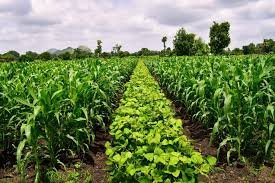 Integrated Pest Management (IPM) is vital in resistance management, utilizing a comprehensive strategy to control pests. By combining various control techniques, including biological controls, cultural practices, and the careful application of conventional pesticides, the selective pressure on pest populations is diminished. The practice of rotating different pesticide classes and integrating non-chemical control strategies complicates the development of resistance in pests. This strategic variety in control methods aids in maintaining the effectiveness of existing pesticides over time, ensuring their continued viability for pest management. Within the framework of IPM, resistance management not only protects the effectiveness of control strategies but also highlights the necessity of a sustainable and flexible approach to pest control, which addresses the changing dynamics of pest populations in both agricultural and urban environments. The absence of bio-control solutions renders any IPM strategy incomplete, as they are crucial for effective resistance management.
Stricter Regulations
As regulations become more stringent, resulting in the prohibition of additional chemicals, growers are discovering resilience through the implementation of Integrated Pest Management (IPM) strategies. By adopting IPM at this juncture, they secure an advantage in adapting to a future devoid of specific chemicals. Concurrently, supermarkets are intensifying their guidelines regarding Maximum Residue Levels (MRL). The adoption of an IPM strategy transcends mere compliance with these heightened standards; it represents a pragmatic approach that positions growers as proactive participants in fostering sustainable and high-quality agriculture within a constantly evolving market environment.
Reduced Health Risks 
A notable benefit of IPM is its role in diminishing health risks. By emphasizing non-chemical control methods and reducing dependence on pesticides, IPM alleviates potential health threats linked to exposure to these chemicals. Growers, their families, agricultural laborers, and consumers all gain from a safer working and living environment as the application of harmful chemicals is curtailed.
Moreover, the conservation of beneficial organisms within an IPM framework enhances ecosystem health, thereby indirectly protecting human health. As IPM prioritizes long-term sustainability and environmental integrity, it aligns with a broader objective of fostering health-conscious practices in agriculture and pest management.
Source
ipm.ucanr.edu
bioprotectionportal.com
ipm.cahnr.uconn.edu