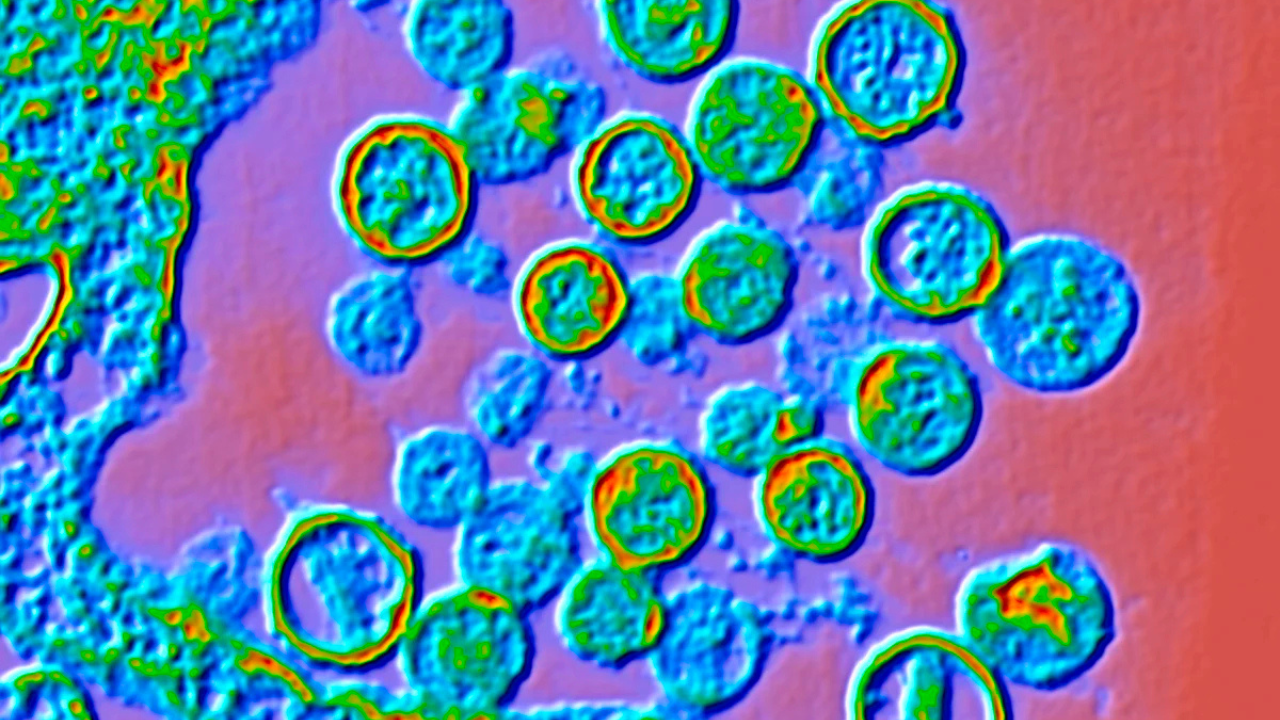
Hantavirus is a rare yet perilous viral illness that primarily transmits through rodents such as rats and mice. Although instances of infection are infrequent, hantavirus can lead to severe health complications in humans, particularly impacting the lungs and kidneys. In certain situations, the disease may pose a life-threatening risk if timely medical intervention is not administered. Understanding hantavirus is crucial for public health.
In recent years, there has been an increased interest in zoonotic diseases—illnesses that transfer from animals to humans. Hantavirus is a significant rodent-borne disease that is closely monitored by scientists and public health officials globally.
Comprehending hantavirus, including its symptoms, modes of transmission, treatment options, and preventive measures, is crucial for safeguarding public health.
This leads us to an important question: What is hantavirus? Comprehending hantavirus, including its symptoms, modes of transmission, treatment options, and preventive measures, is crucial for safeguarding public health.
What Is Hantavirus?
Hantavirus refers to a group of viruses that belong to the Hantaviridae family. These viruses are predominantly carried by rodents. Various types of hantaviruses are located in different regions around the globe. It is classified as a zoonotic disease, indicating that it is generally transmitted from animals to humans. An exception is the Andes virus, which is thought to have the potential for human-to-human transmission, although it typically requires close, prolonged contact. This particular strain is found in Chile and Argentina, where it is believed that cruise passengers may have contracted the virus.
The primary natural hosts of hantaviruses are various species of mice and rats, although the viruses have also been identified in shrews, moles, and bats. Infected animals release the virus through their saliva, urine, and feces.
The disease caused by hantavirus primarily manifests in two forms:
- Hantavirus Pulmonary Syndrome (HPS) – predominantly observed in North and South America.
- Hemorrhagic Fever with Renal Syndrome (HFRS) – more prevalent in Europe and Asia.
Hantavirus Pulmonary Syndrome impacts the lungs and respiratory system, whereas Hemorrhagic Fever with Renal Syndrome primarily affects the kidneys.
How Does Hantavirus Spread?
People become infected through contact with the excretions of infected rodents. The primary method of transmission is inhaling contaminated dust — for instance, when dried droppings or nesting materials are disturbed. Hantavirus primarily spreads through interaction with infected rodents or their bodily fluids. Humans may contract the virus by:
- Inhaling air tainted with rodent urine, saliva, or droppings
- Touching contaminated surfaces and subsequently touching the mouth or nose
- Rare instances of rodent bites
- Consuming food that has been contaminated by rodents
The virus typically does not transmit from one person to another, although there have been rare reports of human-to-human transmission for specific strains.
Individuals residing in areas with inadequate sanitation or high rodent populations face an increased risk of infection.
What are the typical hantavirus symptoms?
The severity of the illness is contingent upon the hantavirus strain involved. Strains identified in Europe and Asia generally lead to flu-like symptoms, including a high fever lasting three to four days (exceeding 38 degrees Celsius or 100.4 degrees Fahrenheit), along with headache, abdominal pain, and back pain — although some individuals may exhibit no symptoms whatsoever. In certain cases, the illness can advance to hemorrhagic fever with renal syndrome, which may result in a decrease in blood pressure and kidney dysfunction, potentially leading to acute kidney failure.
Symptoms of hantavirus typically manifest one to eight weeks following exposure to the virus.
Primary Symptoms
The initial indications frequently resemble those of the flu, which may include:
- Fever
- Fatigue
- Muscle pain
- Headache
- Chills
- Dizziness
- Nausea and vomiting
Certain patients might also suffer from abdominal pain and diarrhea.
Severe Symptoms
As the illness advances, critical symptoms can arise, including:
- Shortness of breath
- Coughing
- Chest tightness
- Fluid buildup in the lungs
- Breathing difficulties
In extreme instances, hantavirus may lead to respiratory failure and can be life-threatening if prompt medical attention is not sought.
Long-term effects and treatment
Recent research indicates that hantavirus can lead to long-term health issues even after the acute phase of the infection has subsided.
Researchers have discovered that individuals may experience a heightened risk of specific blood cancers and cardiovascular conditions in the years that follow the infection. The mechanisms behind these effects remain uncertain, as noted in the study published in The Lancet. Treatment options for hantavirus primarily focus on alleviating symptoms. In severe instances, patients may need dialysis or mechanical ventilation. Currently, there are no vaccines available for hantavirus in Europe, North America, or South America. While vaccines are utilized in China and South Korea, their effectiveness has not yet been scientifically validated, according to findings from The Lancet.
Patients exhibiting severe respiratory symptoms may necessitate:
• Oxygen therapy
• Intensive care support
• Mechanical ventilation
Timely hospitalization significantly enhances the likelihood of survival.
Hantavirus and Public Health
Hantavirus serves as a significant illustration of a zoonotic disease that underscores the link between animal health and human health. Factors such as climate change, environmental disruptions, and heightened human interaction with wildlife may affect the transmission of rodent-borne diseases.
Public awareness, hygiene practices, and effective rodent control are vital in minimizing infection risks.
Conclusion
Hantavirus is a serious viral disease transmitted by rodents that can impact the lungs and kidneys. While it is uncommon, it can pose life-threatening risks if not addressed promptly. It is crucial to comprehend its symptoms, modes of transmission, and preventive strategies to safeguard public health.
Ensuring proper sanitation, managing rodent populations, and adhering to safe cleaning protocols are the most effective methods to avert hantavirus infection. Enhanced awareness and prompt medical intervention can significantly mitigate the severity and mortality linked to this disease.
Source: DW Science, WHO, CDC