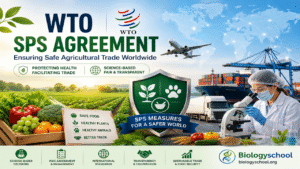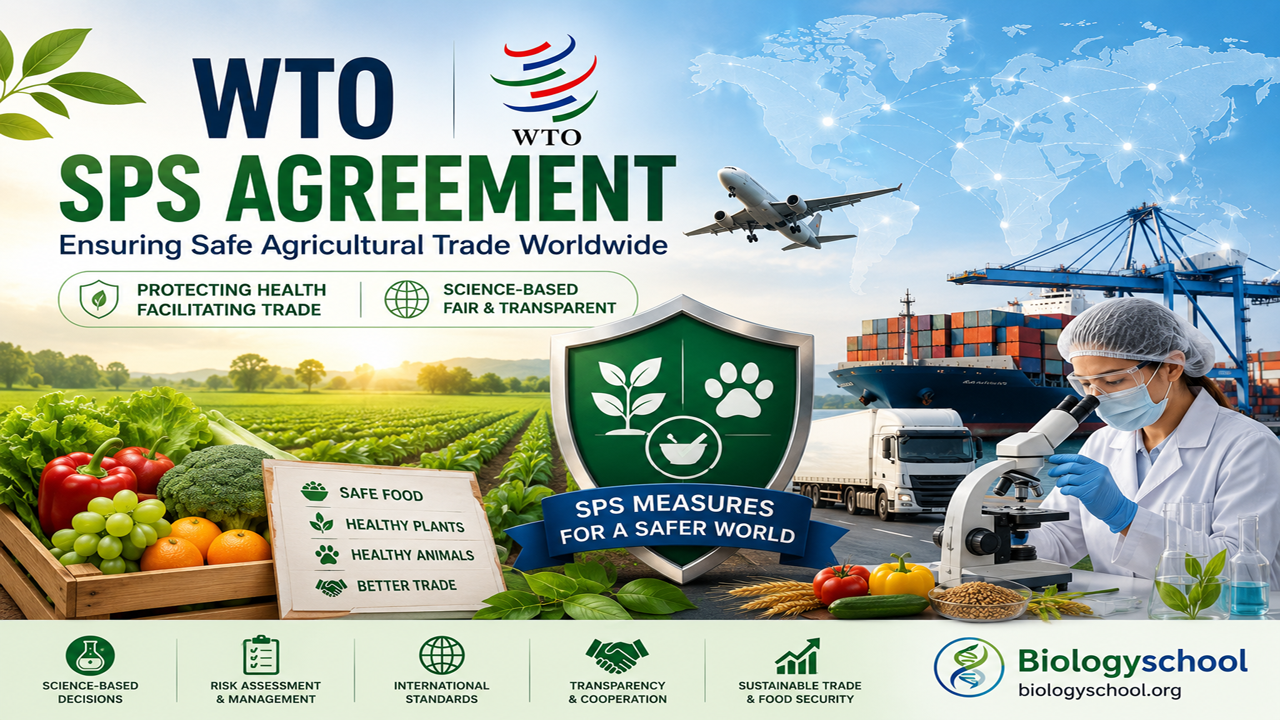
International agricultural trade plays a crucial role in ensuring global food security, economic development, and access to diverse agricultural products. However, the movement of plants, animals, and food products across borders also increases the risk of spreading pests, diseases, and contaminants that can threaten human, animal, and plant health. To address these challenges, the World Trade Organization (WTO) established the Agreement on the Application of Sanitary and Phytosanitary Measures (SPS Agreement), commonly known as the WTO SPS Agreement.
The SPS Agreement serves as a cornerstone of international agricultural trade by allowing countries to implement measures necessary to protect health while ensuring that such measures do not become unjustified barriers to trade. Since its implementation in 1995, the WTO SPS Agreement has significantly contributed to safer and more transparent agricultural trade worldwide.
Understanding the WTO SPS Agreement
The WTO SPS Agreement provides a legal framework that enables governments to protect human, animal, and plant life and health from risks arising from pests, diseases, additives, toxins, and contaminants in food and agricultural products. The agreement recognizes the sovereign right of countries to establish appropriate levels of protection but requires that SPS measures be scientifically justified and based on risk assessment.
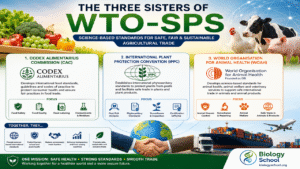
The agreement encourages members to harmonize their regulations with international standards developed by recognized organizations, including:
- The Codex Alimentarius Commission (CAC) for food safety.
- The International Plant Protection Convention (IPPC) for plant health.
- The World Organisation for Animal Health (WOAH) for animal health.
By relying on internationally accepted standards, countries can reduce trade disputes and facilitate the safe movement of agricultural commodities.
Why Is the WTO SPS Agreement Important?
The SPS Agreement serves two key objectives:
1. Protecting Health
Countries can establish regulations to protect people, animals, and plants from harmful organisms, diseases, toxins, and contaminants.
2. Facilitating Trade
The agreement prevents countries from using health regulations as disguised trade barriers.
This balance between protection and trade facilitation makes the SPS Agreement highly effective.
How Does the WTO SPS Agreement Ensure Safe Agricultural Trade?
Science-Based Decision Making
One of the strongest features of the SPS Agreement is its requirement that SPS measures be based on scientific evidence.
Countries cannot arbitrarily restrict imports. Instead, they must conduct risk assessments and provide scientific justification for their measures.
This requirement promotes transparency, fairness, and predictability in international trade.
International Standards and Harmonization
The SPS Agreement encourages countries to follow internationally recognized standards developed by:
- Codex Alimentarius Commission (Food Safety)
- International Plant Protection Convention (IPPC) (Plant Health)
- World Organisation for Animal Health (WOAH) (Animal Health)
Harmonization reduces confusion and simplifies market access for exporters.
Pest and Disease Prevention
International trade can unintentionally spread harmful organisms.
SPS measures help prevent:
- Invasive insect pests
- Plant pathogens
- Livestock diseases
- Foodborne pathogens
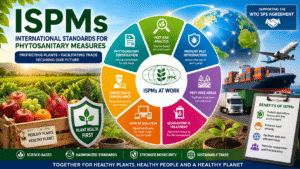
Effective phytosanitary inspections and quarantine procedures reduce the risk of introducing destructive pests into new environments.
Effectiveness in Protecting Human, Animal and Plant Health
One of the greatest achievements of the SPS Agreement is its contribution to the prevention of transboundary pests and diseases. Countries now have stronger legal grounds to inspect imported agricultural products, require phytosanitary certification, and impose quarantine measures when scientifically justified.
For example, SPS measures have helped limit the spread of devastating plant pests such as fruit flies, potato cyst nematodes, and invasive insect species. Similarly, animal health regulations have supported efforts to prevent the international spread of diseases such as avian influenza, foot-and-mouth disease, and African swine fever.
In the food sector, SPS measures have strengthened controls on pesticide residues, foodborne pathogens, heavy metals, and other contaminants. As a result, consumers benefit from safer food products, while producers gain access to markets that demand high food safety standards.
Promoting Science-Based Decision Making
A key strength of the SPS Agreement is its emphasis on scientific evidence. Before imposing restrictive measures, countries are expected to conduct risk assessments and provide scientific justification for their actions.
This science-based approach reduces the likelihood of arbitrary or politically motivated trade restrictions. It encourages transparency and accountability, ensuring that protective measures are proportionate to the actual risks involved.
For exporters, science-based regulations create greater predictability and confidence. Businesses can invest in compliance systems knowing that market access requirements are based on objective criteria rather than protectionist policies.
Facilitating International Agricultural Trade
The SPS Agreement has significantly improved market access for agricultural products by encouraging harmonization and mutual recognition of standards. Exporting countries that meet internationally accepted SPS requirements can access a broader range of markets with fewer regulatory obstacles.
Transparency provisions require WTO members to notify new SPS regulations and provide opportunities for consultation. This helps trading partners understand regulatory changes and adapt accordingly.
As a result, the agreement has contributed to reducing unnecessary trade barriers while maintaining high levels of health protection. Many developing countries have successfully expanded exports of fruits, vegetables, fish, meat, and processed foods by improving compliance with SPS requirements.
Benefits for Developing Countries
Developing countries often face challenges in meeting stringent SPS requirements due to limited technical capacity, laboratory infrastructure, and regulatory systems. The SPS Agreement addresses these challenges by encouraging technical assistance, capacity building, and knowledge sharing.
International organizations and development partners frequently support developing countries in strengthening quarantine systems, pest surveillance, diagnostic laboratories, and food safety management programs. These initiatives improve export competitiveness while enhancing domestic food and agricultural systems.
For countries such as Bangladesh, effective implementation of SPS measures can increase access to high-value export markets and reduce the risk of introducing invasive pests and diseases that threaten agricultural productivity.
Challenges and Limitations
Despite its achievements, the SPS Agreement is not without challenges. Compliance with SPS standards can be costly, particularly for smallholder farmers and developing economies. Investments in testing laboratories, certification systems, and inspection services often require substantial financial resources.
In some cases, disagreements arise regarding the scientific basis of SPS measures, leading to trade disputes. Emerging issues such as climate change, new pest introductions, antimicrobial resistance, and evolving food safety risks also require continuous adaptation of SPS frameworks.
Furthermore, differences in risk perception among countries can create tensions when determining acceptable levels of protection.
Conclusion
The WTO SPS Agreement has proven to be an effective mechanism for ensuring safe agricultural trade while protecting human, animal, and plant health. By promoting science-based regulations, international harmonization, transparency, and risk management, the agreement helps balance public health objectives with the need for open and fair trade.
As global agricultural trade continues to expand, the importance of robust SPS measures will only increase. Strengthening national SPS systems, enhancing international cooperation, and supporting developing countries in compliance efforts will be essential for maintaining safe, sustainable, and resilient agricultural trade in the future.
Safe trade is not merely a regulatory requirement—it is a fundamental component of global food security, environmental protection, and sustainable agricultural development.
Frequently Asked Questions (FAQs)
What does SPS stand for?
SPS stands for Sanitary and Phytosanitary Measures.
What is the purpose of the WTO SPS Agreement?
The agreement protects human, animal, and plant health while facilitating safe international trade.
Which organizations develop international SPS standards?
The Codex Alimentarius Commission, International Plant Protection Convention (IPPC), and World Organisation for Animal Health (WOAH).
Why is the SPS Agreement important for agriculture?
It helps prevent the spread of pests, diseases, and food contaminants while promoting fair trade.
How does the SPS Agreement benefit developing countries?
It improves market access, strengthens food safety systems, and supports agricultural export growth.