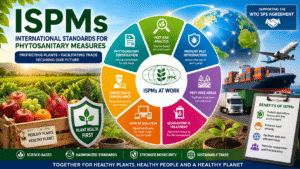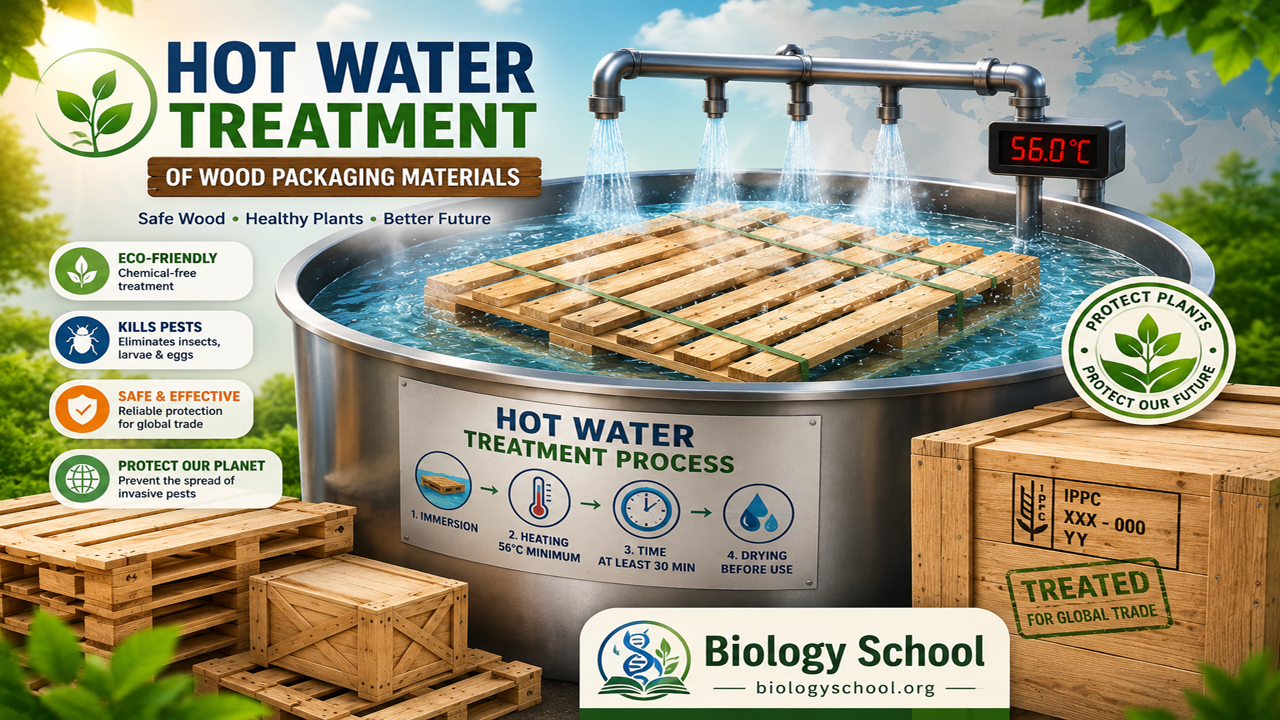
Wood packaging materials (WPM) are important part of international trade. This materials covers various products including pallets, crates, boxes, dunnage, cable drums, and wooden blocks, are widely used in carrying agricultural products around the world. As bearer of commodities, it can be great source of transmission pests from one country to another country. Untreated wood can harbor numerous plant pests such as insects, nematodes, fungi, and other harmful organisms that may spread across borders through global commerce. To minimize this risk, the International Plant Protection Convention (IPPC) developed the International Standard for Phytosanitary Measures No. 15 (ISPM 15), which prescribes approved phytosanitary treatments for WPM. Heat treatment (HT) and fumigation with sulfuryl fluoride (where accepted) are currently recognized under ISPM 15, while methyl bromide use has declined because of environmental concerns. Hot water treatment (HWT) is one of the approved measures to manage risk pests coated in ISPM 15. Various energy sources or processes may be suitable to achieve the required treatment parameters. For example, conventional steam heating, kiln-drying, heat-enabled chemical pressure impregnation and dielectric heating (microwave, radio frequency) may all be considered heat treatments provided they meet the heat treatment parameters specified in this standard. This article discusses the principles, procedures, effectiveness, advantages, limitations, and future prospects of Hot Water Treatment of Wood Packaging Materials, while clearly distinguishing between research applications and internationally accepted phytosanitary requirements.
Introduction to wood packaging materials
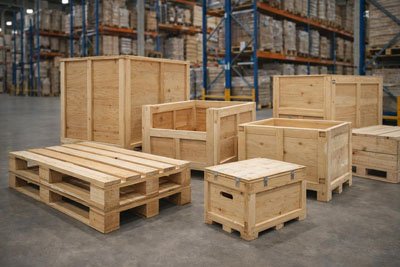
According to ISPM 15, wood packaging materials (WPM) are defined as wood or wood products (excluding paper products) used to support, protect, or carry a commodity in international trade. International trade relies heavily on wood packaging materials (WPM) because they are durable, reusable, and cost-effective. Millions of wooden pallets and crates cross international borders every day carrying agricultural commodities, industrial machinery, food products, and manufactured goods.
Unfortunately, untreated wood may contain living pests including:
- Wood-boring beetles
- Bark beetles
- Longhorn beetles
- Wood wasps
- Termites
- Plant pathogenic fungi
- Nematodes
When infested wood enters a new country, these organisms may establish themselves and threaten forests, agriculture, biodiversity, and ecosystems. To prevent the spread of quarantine pests, the IPPC adopted ISPM 15, which specifies internationally accepted phytosanitary measures for wood packaging materials used in international trade. Products under wood packing materials are described in ISPM 14. According to this guideline, the wood packing materials where ISPM 15 will be applied those are:
- Wooden pallets
- Packing cases
- Crates
- Boxes
- Drums
- Cable reels
- Dunnage
- Wooden spacers
- Wooden blocks
It generally applies to raw wood thicker than 6 mm.
The standard does not normally apply to:
- Plywood
- Particle board
- Oriented strand board (OSB)
- Veneer
- Fibreboard
- Wood wool
- Wood shavings
These engineered wood products are manufactured using heat, pressure, and adhesives that eliminate pest risks.
What is Hot Water Treatment?
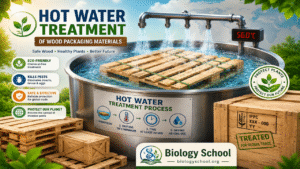
Hot Water Treatment (HWT) is a physical, non-chemical treatment method in which wood or other plant materials are completely immersed in heated water at a predetermined temperature for a specified period to eliminate or inactivate harmful organisms. The treatment works by transferring heat rapidly and uniformly through water, raising the internal temperature of the material to levels that are lethal to many insects, larvae, eggs, nematodes, and certain fungal pathogens. Unlike chemical fumigation, HWT leaves no toxic residues and is considered an environmentally friendly approach for reducing pest infestation and improving sanitary quality.
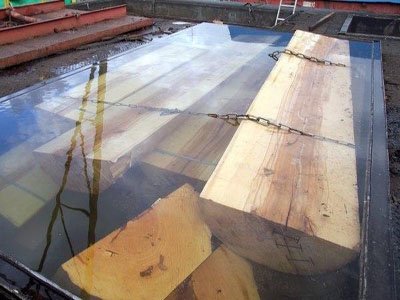
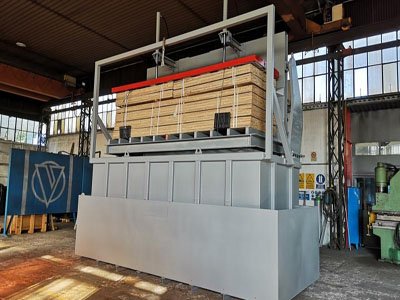
In wood processing, hot water treatment has been investigated and used in research and some domestic applications to reduce biological contamination, improve wood quality, and facilitate further processing. However, for wood packaging materials (WPM) used in international trade, hot water treatment is not currently an approved phytosanitary treatment under the International Plant Protection Convention’s ISPM 15. Exported WPM must therefore be treated using methods officially recognized by ISPM 15 and marked accordingly under the supervision of the relevant National Plant Protection Organization (NPPO).
Typical Hot Water Treatment Procedure
The procedure of typical hot water treatment is conducted following the procedures. This treatment is composed of few steps like:
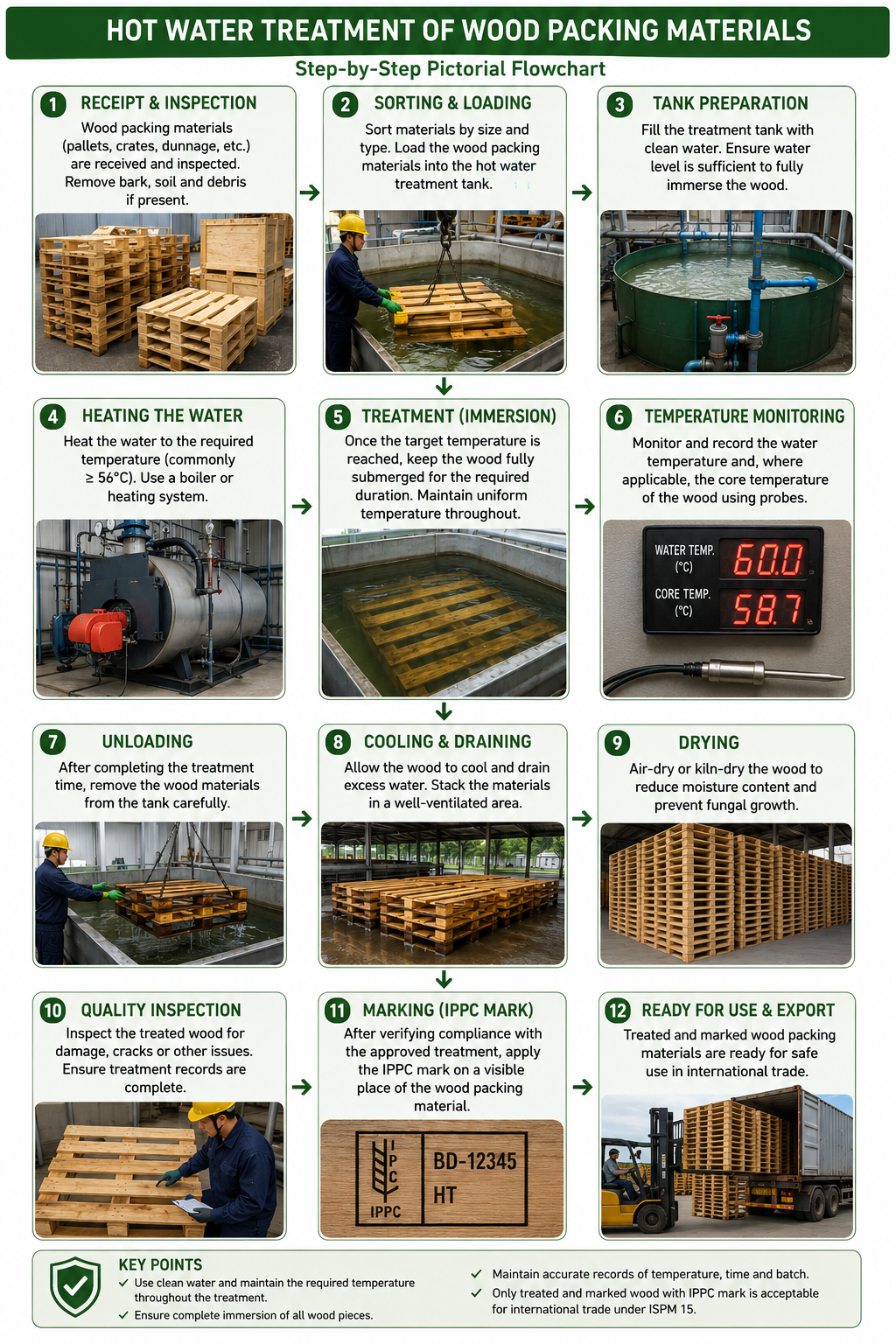 Step 1. Receipt and Inspection
The treatment process begins with receiving the wood packaging materials, such as pallets, crates, boxes, or dunnage. Each item is carefully inspected to assess its physical condition and identify signs of insect infestation, fungal decay, excessive bark, soil contamination, or mechanical damage. Foreign materials, loose bark, and debris are removed before treatment. Damaged or heavily decayed wood that is unsuitable for reuse is rejected to ensure only sound materials proceed to treatment.
Step 2. Sorting and Loading
The inspected wood is sorted according to size, thickness, wood species, and intended use. Similar-sized materials are grouped together to promote uniform heat penetration during treatment. The wood is then loaded into metal baskets, racks, or lifting frames designed to keep the materials stable and fully submerged in the treatment tank while allowing water to circulate freely around every piece.
Step 3. Tank Preparation
The treatment tank is cleaned and filled with fresh, clean water. Heating equipment, pumps, temperature sensors, and circulation systems are checked to ensure proper operation. The water level is adjusted so that all wood pieces will be completely immersed throughout the treatment process. Adequate water circulation is essential to maintain a uniform temperature within the tank.
Step 4. Heating the Water
The water is gradually heated using a boiler, electric heater, steam system, or other industrial heating equipment until the target treatment temperature is reached. Temperature is increased steadily to avoid sudden thermal stress that may cause cracking or deformation of the wood. Continuous monitoring ensures the water temperature remains stable and evenly distributed throughout the tank.
Step 5. Hot Water Treatment (Immersion)
Once the required temperature has been achieved, the wood packaging materials are completely submerged in the hot water. The treatment period begins only after the target temperature is reached and maintained. During immersion, heat penetrates into the wood and destroys many insects, larvae, eggs, nematodes, and certain fungal pathogens by disrupting their cellular functions. Operators ensure that all materials remain fully immersed and that the treatment conditions remain consistent throughout the process.
Step 6. Temperature Monitoring
Accurate temperature monitoring is one of the most critical steps. Digital thermometers and calibrated temperature probes continuously record the water temperature and, when required, the internal temperature of representative wood pieces. Operators document temperature readings and treatment duration throughout the process to verify that the required treatment conditions have been maintained consistently.
Step 7. Unloading
After the designated treatment period has been completed, the wood is carefully lifted from the hot water tank using cranes, hoists, or mechanical lifting devices. Proper handling minimizes physical damage to the treated materials and reduces safety risks to workers. Excess hot water is allowed to drain from the wood before it is transferred to the next stage.
Step 8. Cooling and Draining
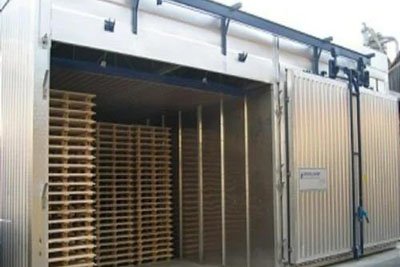
The treated wood is placed in a clean, well-ventilated area where it is allowed to cool naturally. During this stage, excess surface water drains away, preventing unnecessary moisture accumulation. Controlled cooling reduces the likelihood of warping, splitting, or internal stress within the wood. Proper stacking also promotes uniform airflow around the treated materials.
Step 9. Drying
Following cooling, the wood undergoes drying to reduce its moisture content. Drying may be carried out naturally in a covered, ventilated storage area or by using a kiln dryer, depending on operational requirements. Proper drying improves dimensional stability, reduces the risk of mould and fungal growth, and prepares the wood for safe storage, transportation, or reuse.
Step 10. Quality Inspection
Each treated wood packaging material is thoroughly inspected to verify treatment quality and structural integrity. Inspectors check for cracks, excessive warping, discoloration, insect damage, fungal infection, or other defects that may affect usability. Treatment records, temperature logs, and processing documentation are also reviewed to ensure compliance with internal quality management procedures.
Step 11. IPPC Marking (When Applicable)
If the wood packaging material has been treated using an officially approved ISPM 15 treatment under the supervision of the country’s National Plant Protection Organization (NPPO), it may receive the permanent IPPC mark. The mark typically includes the IPPC symbol, country code, producer or treatment facility registration number, and treatment code (such as HT for heat treatment). Hot water treatment alone should not be marked as ISPM 15-compliant unless it has been officially approved under the applicable regulatory system.
Step 12. Storage, Distribution, and Export
The treated wood packaging materials are stored in clean, dry, pest-free conditions to prevent re-infestation or contamination before use. They are then supplied for domestic use or prepared for international shipment. Proper storage, handling, and documentation help maintain the phytosanitary status of the materials and support safe trade while minimizing the risk of spreading invasive plant pests.
Advantages of Hot Water Treatment
Hot Water Treatment (HWT) offers several technical and environmental advantages for reducing pest infestation and improving the sanitary quality of wood packaging materials. Its major benefits include:
- Chemical-free treatment: HWT uses only heated water, eliminating the need for chemical fumigants and reducing the risk of toxic residues on wood.
- Environmentally friendly: As a non-chemical method, it does not release ozone-depleting or hazardous substances into the environment.
- Effective against many wood pests: Properly applied heat can kill many insects, larvae, eggs, nematodes, and some fungal pathogens associated with wood.
- Uniform heat transfer: Water transfers heat more efficiently than air, allowing more even heating of wood surfaces and internal tissues.
- Worker safety: The process reduces occupational exposure to toxic fumigants, making it safer for treatment facility personnel.
- Improves wood hygiene: Hot water helps remove dirt, dust, resin, and surface contaminants, improving the cleanliness of the wood.
- Supports sustainable pest management: HWT is compatible with integrated pest management (IPM) strategies and promotes environmentally responsible phytosanitary practices.
- No chemical disposal issues: Since no pesticides are used, there are no problems associated with chemical waste disposal or residue management.
- Potential to reduce fungal contamination: Heat treatment in water can suppress or eliminate certain wood-decaying fungi and moulds, improving the sanitary condition of the wood.
- Suitable for domestic treatment and research: HWT has been widely studied for wood processing and domestic phytosanitary applications, providing valuable information for developing sustainable treatment technologies.
Limitations of Hot Water Treatment of Wood Packaging Materials
Although Hot Water Treatment (HWT) offers several environmental and operational benefits, it also has important limitations that restrict its use for wood packaging materials, particularly in international trade.
- High energy consumption: Maintaining large volumes of water at elevated temperatures requires significant energy, increasing operational costs.
- Large water requirement: The process consumes substantial amounts of water, making it less practical in regions where water resources are limited.
- Long treatment time: Thick or dense wood may require extended heating periods to achieve effective heat penetration, reducing processing efficiency.
- Post-treatment drying is necessary: Wood absorbs moisture during immersion and must be dried before storage or use to prevent mould growth, warping, or dimensional changes.
- Risk of wood deformation: Improper heating or cooling may cause warping, cracking, splitting, or internal stresses, especially in certain wood species.
- Limited penetration in large timber: Achieving uniform internal temperatures can be difficult in very thick or oversized wood packaging components.
- High equipment and maintenance costs: Treatment facilities require insulated tanks, heating systems, pumps, temperature monitoring devices, and regular maintenance, resulting in considerable investment.
- Potential for recontamination: If treated wood is stored under poor sanitary conditions, it may become reinfested by insects or contaminated by fungi before use.
IPPC and ISPM 15 Requirements
The International Plant Protection Convention developed ISPM 15 to reduce the movement of pests through WPM.
Currently, internationally accepted treatments include:
- Heat Treatment (HT), where the wood core reaches 56°C for at least 30 minutes under an approved schedule.
- Other treatments only if formally adopted by the IPPC (requirements may evolve over time).
Therefore, hot water treatment alone should not be assumed to satisfy ISPM 15 requirements unless it has been officially approved by the relevant National Plant Protection Organization (NPPO) and recognized under ISPM 15.
Wood packaging materials treated according to ISPM 15 receive a permanent IPPC mark.
A typical mark contains:
- IPPC wheat-ear symbol
- Country code (e.g., BD)
- Producer or treatment facility registration number
- Treatment code (such as HT)
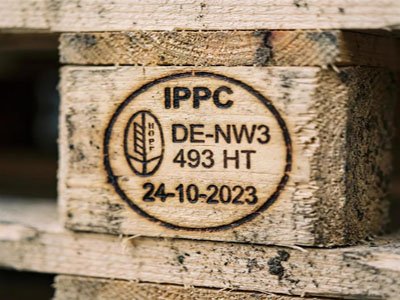
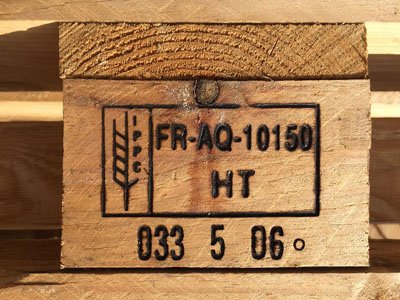
The mark certifies that:
- The wood received an approved phytosanitary treatment.
- The treatment was carried out under the supervision of the National Plant Protection Organization.
- The WPM complies with ISPM 15 requirements.
Quality Control During Treatment
Effective quality control is essential to ensure that hot water treatment is performed consistently, safely, and effectively. Key quality control measures include:
- Inspect wood before treatment to remove damaged, decayed, or heavily infested materials.
- Use clean treatment tanks and water to prevent contamination.
- Calibrate temperature sensors regularly to ensure accurate measurements.
- Monitor and record water temperature and treatment time throughout the process.
- Ensure complete immersion of all wood packaging materials for uniform heat exposure.
- Dry treated wood properly to reduce moisture and prevent fungal growth.
- Inspect treated wood for defects, warping, or signs of surviving pests.
- Maintain treatment records and equipment for traceability, routine maintenance, and process verification.
Considerations During Hot Water Treatment of Wood Packaging Materials
To achieve effective, safe, and sustainable hot water treatment of wood packaging materials, the following factors should be considered:
- Select sound wood: Use wood free from excessive decay, cracks, and heavy insect infestation to ensure effective treatment.
- Maintain the correct treatment conditions: Carefully control the water temperature, immersion time, and complete submersion of the wood for uniform heat penetration.
- Consider wood species and dimensions: Different wood species, thicknesses, and moisture contents influence heat transfer and treatment efficiency.
- Ensure proper drying after treatment: Dry the treated wood thoroughly to prevent mould growth, warping, or dimensional changes.
- Protect the environment: Use energy-efficient heating systems, recycle water where possible, and manage wastewater responsibly to minimize environmental impacts.
- Prioritize worker safety: Provide personal protective equipment (PPE), safe handling procedures, and training to reduce the risk of burns and workplace accidents.
- Maintain quality records: Document treatment parameters, equipment calibration, inspections, and maintenance to ensure process consistency and traceability.
- Follow phytosanitary regulations: For wood packaging materials used in international trade, comply with the requirements of the International Plant Protection Convention and ISPM 15, as hot water treatment alone is not currently an approved ISPM 15 treatment.
Hot water treatment (HWT) is an environmentally friendly, non-chemical method for reducing insect pests, nematodes, and certain fungal pathogens associated with wood. By using heated water to transfer heat efficiently throughout the wood, the treatment can improve the sanitary quality of wood packaging materials while avoiding the use of toxic fumigants. Its advantages include the absence of chemical residues, improved worker safety, and compatibility with sustainable pest management practices. However, the effectiveness of HWT depends on careful control of treatment conditions, including water temperature, immersion time, wood species, and wood dimensions, together with proper drying and quality control after treatment.
Despite these benefits, hot water treatment is not currently recognized as an approved phytosanitary treatment for wood packaging materials under the International Plant Protection Convention’s ISPM 15. Therefore, wood packaging materials intended for international trade must comply with ISPM 15-approved treatment methods and bear the official IPPC mark issued under the supervision of the National Plant Protection Organization (NPPO). Continued research and technological improvements may support the future development of HWT as a sustainable phytosanitary option, but international trade should always follow the current regulatory standards to ensure plant health protection and facilitate safe global commerce.
Frequently Asked Questions (FAQs)
- What is hot water treatment of wood packaging materials?
Hot water treatment (HWT) is a physical, non-chemical treatment in which wood packaging materials are immersed in heated water at a predetermined temperature for a specified period to eliminate or inactivate insects, larvae, eggs, nematodes, and certain fungal pathogens. The treatment relies on heat rather than chemical pesticides to reduce biological contamination.
- Why is hot water treatment used for wood packaging materials?
Hot water treatment is used to reduce the risk of pest infestation and improve the sanitary quality of wood. It can help control wood-boring insects, insect eggs, larvae, and some fungi while avoiding the use of chemical fumigants. It is also considered an environmentally friendly treatment method.
- Is hot water treatment approved under ISPM 15?
No. Hot water treatment is not currently recognized as an approved phytosanitary treatment for wood packaging materials under the International Plant Protection Convention’s ISPM 15. Wood packaging materials used in international trade must be treated using methods officially approved by ISPM 15 and authorized by the relevant National Plant Protection Organization (NPPO).
- What types of wood packaging materials can be treated?
Hot water treatment may be applied to various solid wood packaging materials, including pallets, crates, boxes, dunnage, cable drums, and wooden spacers. The suitability of treatment depends on the wood species, dimensions, moisture content, and intended use.
- What pests can hot water treatment control?
When properly applied, hot water treatment can help control many wood-associated pests, including wood-boring insects, beetle larvae, insect eggs, nematodes, and certain fungal pathogens. Its effectiveness depends on maintaining appropriate treatment conditions and ensuring sufficient heat penetration.
- What are the main advantages of hot water treatment?
The major advantages include:
- Chemical-free and environmentally friendly
- No toxic chemical residues
- Effective against many wood pests
- Improved worker safety
- Reduced fungal contamination
- Supports sustainable pest management
- No ozone-depleting fumigants
- What are the limitations of hot water treatment?
Hot water treatment requires large volumes of heated water, consumes considerable energy, and is often followed by a drying process to remove excess moisture. If treatment or drying is poorly managed, wood may warp, crack, or become susceptible to mould. Additionally, it is not an ISPM 15-approved treatment for international trade.
- Why is drying important after hot water treatment?
During immersion, wood absorbs water, increasing its moisture content. Proper drying helps restore dimensional stability, reduces the risk of mould growth, prevents warping or splitting, and prepares the wood for storage or use.
- What quality control measures are necessary during hot water treatment?
Quality control includes inspecting the wood before treatment, using clean water and equipment, monitoring and recording treatment temperature and duration, ensuring complete immersion, calibrating temperature sensors, drying the treated wood properly, inspecting the finished product, and maintaining accurate treatment records.
- What is the IPPC mark, and can hot water-treated wood receive it?
The IPPC mark certifies that wood packaging materials have received an ISPM 15-approved phytosanitary treatment under the supervision of the National Plant Protection Organization (NPPO). Wood treated only by hot water treatment cannot receive the IPPC mark unless hot water treatment becomes an officially approved treatment under ISPM 15.
- Is hot water treatment environmentally friendly?
Yes. Hot water treatment is considered an environmentally friendly option because it uses heat and water instead of chemical fumigants, produces no toxic residues, and avoids the use of ozone-depleting substances. However, efficient energy use and responsible water management are important for improving its overall sustainability.
- What is the difference between hot water treatment and heat treatment?
Both methods use heat to control pests, but they differ in how heat is applied. Hot water treatment uses heated water to transfer heat, while heat treatment (HT) uses heated air, typically in a kiln or heat chamber. Under current international standards, heat treatment (HT) is an approved treatment under ISPM 15, whereas hot water treatment is not.
- Can hot water treatment replace chemical fumigation?
In some domestic or research applications, hot water treatment may reduce the need for chemical fumigation. However, for international trade of wood packaging materials, exporters must use treatment methods that comply with current phytosanitary regulations and the importing country’s requirements.
- Why is pest-free wood packaging important for international trade?
Untreated wood packaging materials can transport invasive insects, nematodes, and plant pathogens across borders, threatening forests, agriculture, and biodiversity. Proper phytosanitary treatment helps prevent the spread of quarantine pests, facilitates safe international trade, and protects plant health worldwide.